 Orbivida
Energy drinks linked to cardiac arrest in young adults: what the new study found
An abstract presented to the American Heart Association links caffeine and stimulant energy drinks and supplements to more cardiac arrest reports than other FDA-regulated products. The study uses voluntary FDA safety reports from 2017 to 2025, and almost half the reports involve adults aged 18 to 34. It shows association, not proof that the products caused the events.
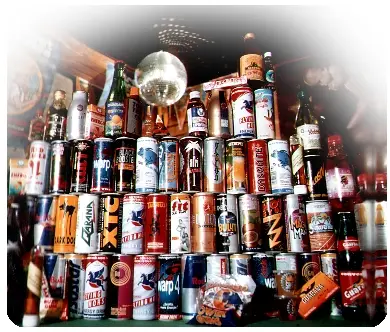

People are searching for energy drinks and heart problems because NBC News reported on 2 November 2026 that new research from the American Heart Association's annual meeting links the drinks to higher rates of cardiac arrest [2]. NBC reports that cardiac arrest was higher among those who consumed energy drinks and supplements [2]. The study is an abstract, not a published paper, and the release notes that abstracts presented at AHA scientific meetings are not peer-reviewed [1]. NBC News also says its reporter explains which types of stimulants to watch out for [2].
What the study looked at
The research was led by Sai Samayamanthula, a fourth-year medical student at the University of Virginia School of Medicine. It is listed as abstract MDP0323 and is due to be presented at the AHA Scientific Sessions in Chicago from 6 to 9 November 2026 [1].
The data come from an FDA safety database of reports that are voluntarily self-reported to the FDA [1]. The team reviewed 28,345 reports from 2017 to 2025 for people aged 13 and older [1]. Of those, 854 mentioned an energy drink or dietary supplement containing caffeine or other stimulants. The comparison group was 27,491 reports about products without those ingredients, such as soft drinks, meal replacement shakes, protein bars, smoothies and vitamins [1].
The stimulant group included methylxanthines such as theobromine, guarana, yerba mate and green tea or coffee extracts, and sympathomimetics such as synephrine, yohimbine and ephedra [1].
The numbers
The headline figure is cardiac arrest. The release says it was about 11 times more often reported with caffeine- or stimulant-containing products [1]. Newser describes the same figure and adds that reports of heart attacks and abnormal heart rhythms were several times more likely [3].
The release gives the other ratios. Heart attack was about 4.5 times more likely, ventricular arrhythmias or palpitations about 4 times, and an elevated heart rate nearly 3 times. Chest pain was 2.71 times more common and fainting about 2 times. The authors report similar patterns in men and women [1].
About 45% of the reports linking these products to cardiovascular events involved adults aged 18 to 34 [1]. Newser reports that "nearly half" involved people ages 18 to 34 [3].
What the study cannot show
The release is clear about the limits. The design identifies associations only, and it does not prove that the products caused any heart condition or event. The reports are voluntary, and it is unknown how many people consumed these products without experiencing any cardiac event [1].
Other factors may also explain the results. The authors point to use before intense exercise, mixing the products with alcohol or drugs, and a possible undiagnosed heart condition [1]. Newser adds that the FDA reports are not verified [3]. The abstract has not been peer-reviewed, and the release describes the findings as preliminary [1].
Dr. Gregory Marcus, who chairs the 2026 AHA scientific statement on caffeine and cardiovascular disease, put it plainly: "the study does not prove that caffeine products cause these events" [1]. He also said the study raises concerns that products with very high amounts of caffeine may be harmful [1].
Background: caffeine, regulation and sales
The release mentions consuming up to 400 mg of caffeine per day [1].
Energy drink sales have more than doubled over the past decade, reaching over $20 billion in 2024 [1]. The FDA regulates energy drinks and stimulant supplements as foods or dietary supplements rather than as medications [1].
Study author Samayamanthula said that "these products are marketed as everyday pick-me-ups and sold next to soda and bottled water" [1]. Newser also quotes a senior author, Dr. Pamela Benavidez, who said: "Our study highlights an issue that is often overlooked" [3].
What the research does not change
This article is a report on a study, not medical advice. For readers who want a practical line, the cardiologists quoted by Newser urged users to track their total caffeine intake and to seek care for chest pain, fainting or racing heartbeats [3].
What to watch next
The next checkpoint is the AHA meeting in Chicago on 6 to 9 November, where the abstract will be presented. After that, the key test is a full manuscript, since the release says the findings are preliminary until published as one [1].
Sources
- Energy drinks, stimulant products linked to cardiac arrest, heart attack in young adults, American Heart Association News (November 3, 2026)
- Study links energy drinks to risk of cardiac arrest, NBC News (November 3, 2026)
- Energy Drinks Linked to Cardiac Risk in Young Adults, Newser (November 3, 2026)